
Play Time
Toys "Were" Us / Where I Shine

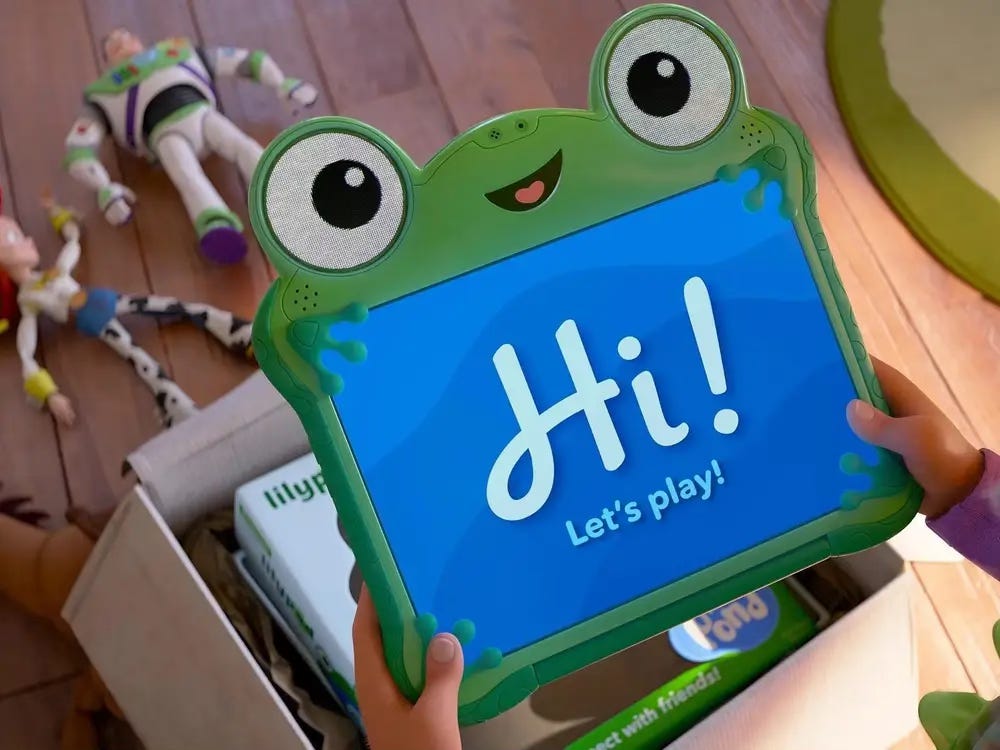
Last week, four friends and I went to see Toy Story 5 at the beautiful Grand Lake Theater in Oakland (with which I share a birthday). It was six dollar Tuesday, and we couldn’t resist the bargain. It’s hard to believe that the first Toy Story came out in 1995, more than 30 years ago! I’ve loved almost all of the films in the franchise (especially the harrowing Toy Story 3), and all of us were eager and excited to see what the Disney/Pixar cabal had come up with for this latest installment.
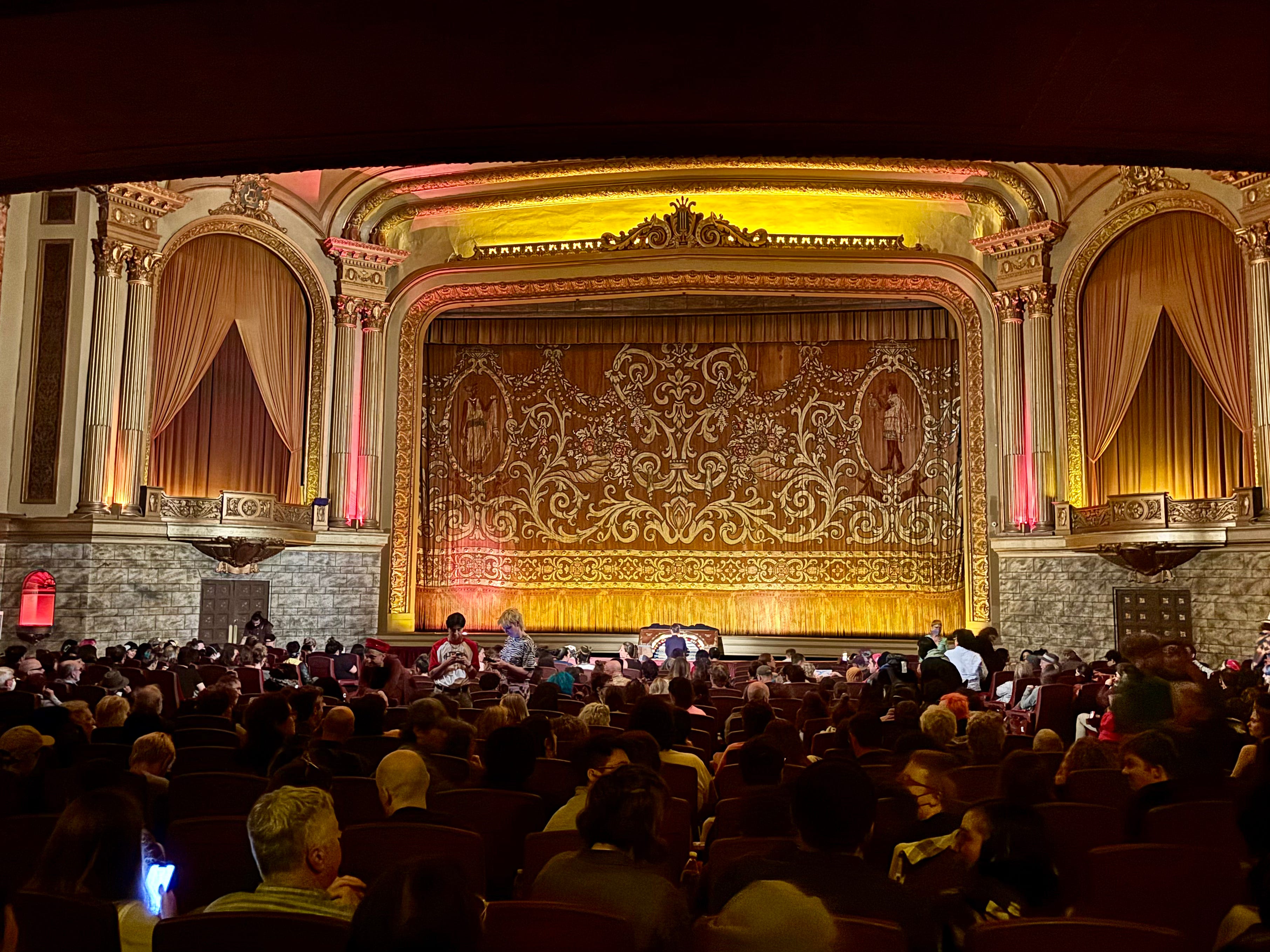
The theme of the movie, not unexpectedly, was how modern technology — specifically, screens — have rewoven the social fabric of the schoolyard, detoured children’s imaginations, and (more to the point) lured them away from the self-created fantasy worlds that arise while playing with actual physical toys (e.g. Woody, Buzz, Jesse, etc.). The movie is wonderful; Toy Story 5 makes its point without throwing anyone under the bus.
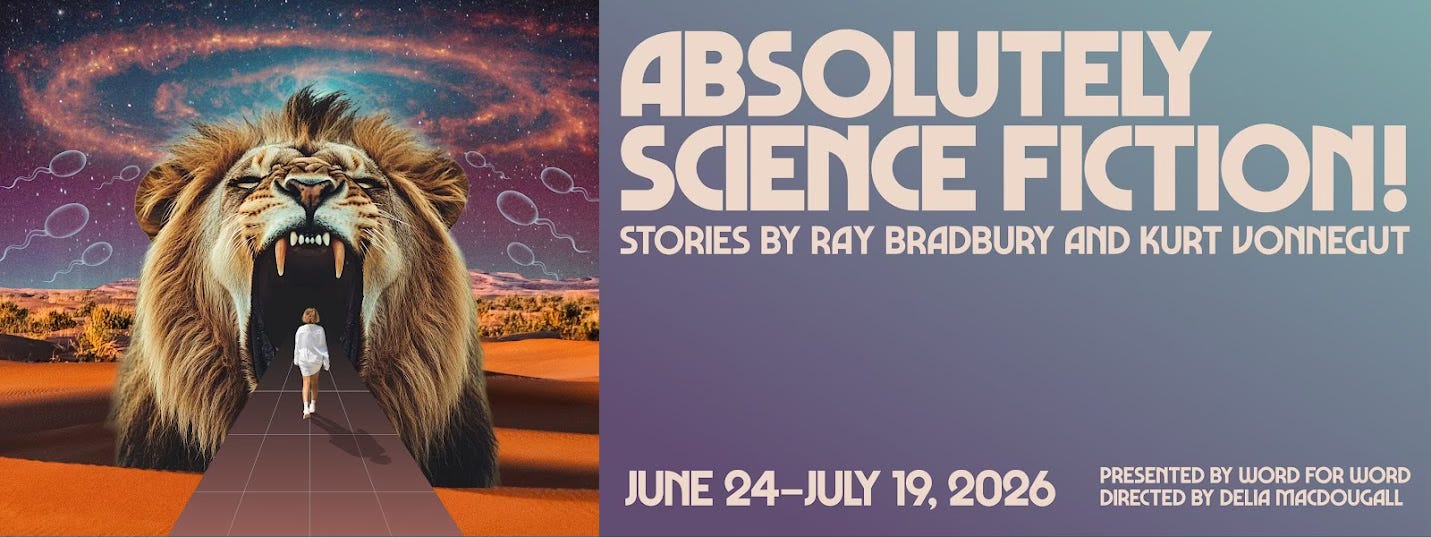
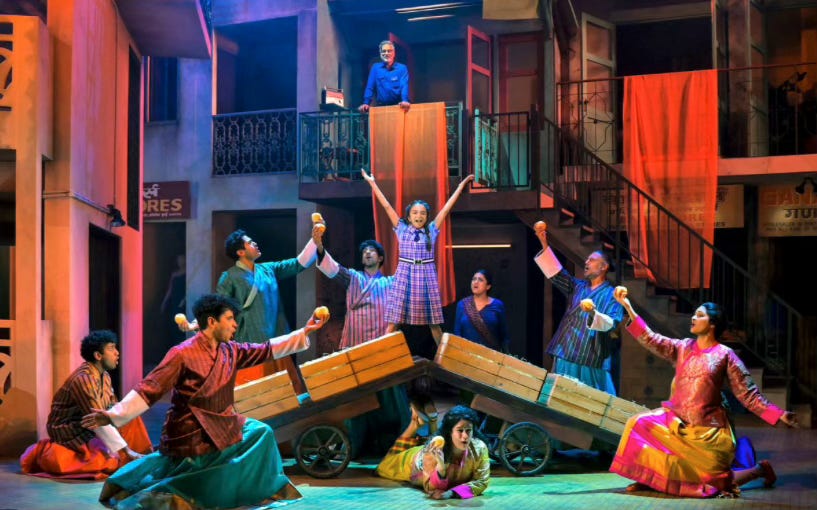
Concurrently, my favorite theater company in the Bay Area – Word for Word (which I previously wrote about in this post last October) is presenting two classic science fiction short stories. One of which — Ray Bradbury’s The Veldt — is a remarkably prescient tale about much the same thing as Toy Story 5, albeit with a more diabolical twist.
The Veldt was originally published as The World the Children Made, and appeared an astonishing 76 years ago in The Saturday Evening Post. I first read it when I was 17, in Bradbury’s haunting anthology, The Illustrated Man. (The other story being staged is Kurt Vonnegut’s fractured, but highly entertaining The Big Space Fuck which, published in 1971, was (according to Vonnegut) “the first story in the history of literature to have ‘fuck’ in its title.”
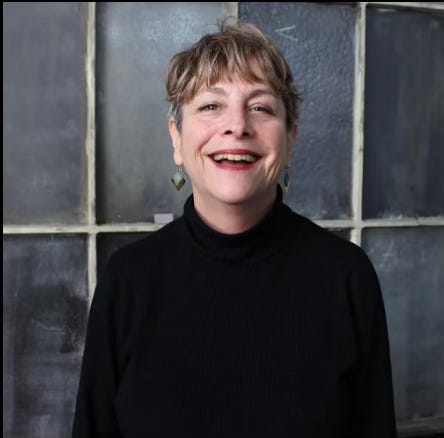
I’ve long been fascinated by Word for Word, and I was curious about their artistic process. So I called co-founder JoAnne Winter to talk about how Word for Word actually works.
Jeff - So who actually came up with this idea?
JoAnne - Susan Harloe and I founded the company together in 1993. She was up in Seattle being a freelance actor and she met these people who were starting a company called “Book It.” I went up to visit and we saw what they were doing, which was exactly what we do: taking short stories and putting them on the stage, word for word.”
It’s a hard concept to explain to people.
“How I tend to explain it is, “it’s like the characters in a story are telling the story while it’s happening. It’s like they are popping up out of the book, and the book is happening before your eyes.” But even that, people don’t understand. They still think you’re holding a script in your hand, or at a music stand wearing a black turtleneck.
Once you’ve selected a story, what’s the most challenging part of the process?
“Well, I think choosing the story is the most difficult thing. Because not every story works in this format. It takes us a long time to find the right stories.
Out of the infinite selection of science fiction and short stories, how did you light on the two that you finally selected?
It’s funny that we’ve never done science fiction before. There are a few people in the company who are big sci-fi fans, but nobody’s ever brought in anything that really rang our bell. We did read The Big Space Fuck 20 years ago, but either we couldn’t get the rights or we said, “Maybe this is a little too intense.” But now it’s sadly appropriate, even though it was written in the 1970s. It was appropriate then; but today, given our political situation, it’s even more appropriate now.
As for The Veldt, we recently started a new program called Word for Wordplay, which is specifically performances for children and families. Someone suggested The Veldt as a potential story. We read it and we loved it; it resonated a lot given where we are with the whole AI thing. Though we thought it was a little too dark for kids and families, it brought back the idea of doing sci-fi and The Big Space Fuck. Both stories are on the shorter side, and they seemed to fit. Also those two writers are sort of from the same era; they’re similar in some ways in their sensibility about writing.
Both stories share the same stage; moving seamlessly from the first to the second called for some creative thinking. And the set for The Veldt, which features an immersive environment akin to Star Trek’s holodeck, demanded a level of technical wizardry unusual for Word for Word.
That was a little bit of a challenge. We’re a small company and we don’t have all the bells and whistles, but I think what the set designers have done is really fun and creative. All the designers have done just gorgeous work on this show. And the costume designers… God bless them.
So there you go. Absolutely Science Fiction will run until July 19th at Z Space in San Francisco. Check it out.
Talking with friends during the past couple of weeks, I’ve noted that one of the hallmarks of being healthy is that you don’t have to think about your body. It carries your heart and brain around, feels things, smells things, senses things, and you take it more or less for granted. You don’t think to yourself, “oh, my body is doing this,” or “my body is doing that.” One thing I’ve noticed about Parkinson’s is that I am aware of my body every moment of every day. There’s always some strange feeling sparking up somewhere, whether it’s in my foot or my lower back or my face, that captures my attention away from whatever I’m trying to concentrate on — a walk, a conversation, writing this Substack. I’m not sure when it started to feel this way; the point at which PD began trying to become my puppet master. Don’t worry; I’m not handing over those strings yet… but I can feel it reaching for them. I’m going to elude those bony fingers for as long as I can.
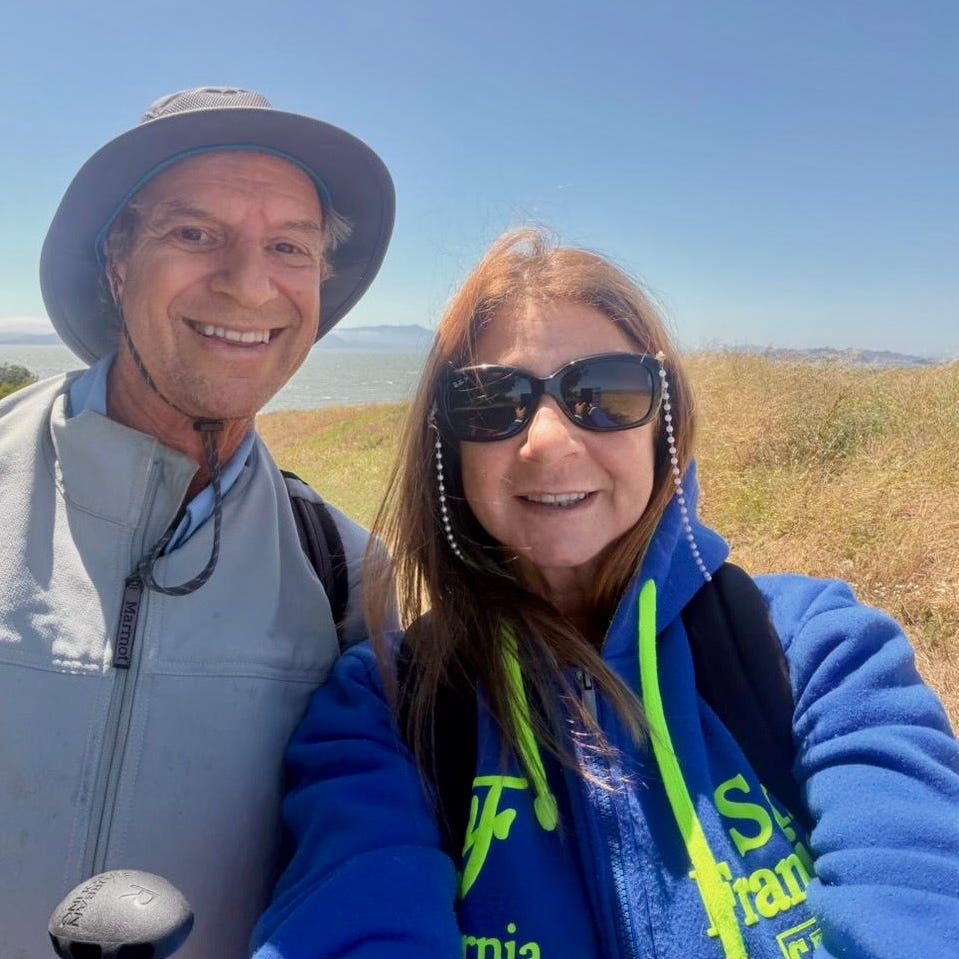
Yesterday, my beautiful sister Deborah left from SFO after spending eight days in Oakland, re-placing the polka dots on my floors and helping me out with various physical tasks (e.g., neatly rolling up my shirtsleeve cuffs) that are just a little bit beyond me right now. During some of our time together I found myself mentally hearing that weird 1972 Neil Young song — A Man Needs a Maid — playing in my head. (Young wrote the song, according to Wikipedia, while hospitalized after back surgery). And at some point I too will need someone; not a maid, but a person who comes over now and then and helps me take care of things. I think that day is still a ways off, but I can see it on the fluttering pages of some not-so-distant calendar.
Honestly, though, both Deb and I were concerned by the progression of my symptoms since her previous visit, only two months ago. Because while it’s true that every case of Parkinson’s is different, I believe it’s unusual for it to advance this quickly. It does make me feel like slowing down a lot of the time (and, as per the previous entry, I still haven’t wept). Nonetheless I persist in being me: Going to a Tuesday matinee of Toy Story 5, taking Deborah to see The Lunchbox at Berkeley Rep, and dragging myself onto BART and into San Francisco Friday night, joined at Word for Word by my friend Marlo — who I thought would enjoy The Veldt, as she herself made a film about children’s fantasy worlds called My Secret Country.
Still no word about my joining the exPDite-2 stem cell clinical trial, although I now know that my medical records are currently under review. I haven’t been ruled out yet... And although I’m already taking as many pills as there are coffee beans in Costa Rica, there’s a fairly new drug called Crexon, released in 2024, that my neurologist has recommended for me. It has the benefit of extending one’s “on” time, in some cases by substantial margins. Naturally it’s expensive, and we’re trying to get a prior authorization to bring down the price.
Another issue is that all of these drugs have common and potentially egregious side effects; some, for example, can cause hallucinations. So far I haven’t seen any gnomes, flying unicorns, or chatty ghosts hovering over my shoulder, so I might be one of the “lucky” people who tolerates them well. Time will tell.
As humorist and actor Robert Benchley put it in a 1942 profile, “I do most of my work sitting down. That’s where I shine.” And yet when I sat down to write this morning, I didn’t feel at all inspired. But that’s what writing is truly about: showing up at the inkwell. Like meditation it is above all a practice, and one that rewards consistency and discipline. If nothing else, this Substack has been that. I’m grateful for my adherence to the once-every-two-weekends rule, even if I sometimes have no clue what to say… or dread the approach of my every-other-Saturday “playdate.”
As always… Thanks for reading.
The Assistance Fund is a private source that covers (100%) the patient cost of expensive medication for PD and a few other diseases. My partner has been using them for 4 years to cover ‘Gocoveri’ for his PD (about $3k per month!) Find TAF online. Hope you don’t need this resource but it’s been amazingly supportive for us.
Jeff, I am constantly amazed by how much you do, the interesting people you meet and the experiences you have! Thank you for sharing them.